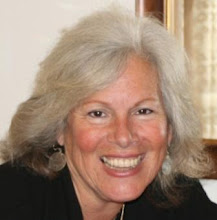
It is easy to remember today’s date. It is such an exciting day-the first US Inauguration I’ve been interested in watching. And such interesting circumstances to the viewing. I’m at a café in the old medina of Fes, watching the BBC broadcast of the proceedings with several other Americans, incl. some other PCVs who made the trek here today (the Peace Corps gave us a weekday travel “bye” to go and watch it together), Brits and Moroccans. I am so hopeful. People here in Morocco are excited and hopeful as well-particularly interesting given the recent protests over the Israeli/Gaza violence and what you might expect to be anti-American sentiment. (In fact, people have instead been asking questions, asking for opinions, and supportive of the fact that we feel the same-want peace for the people of both Palestine and Israel-more conversations on this issue in the last 3 weeks than in my entire prior life). I wish I had an American flag to wave today-I’m so proud to be American.
So as I sit here in Fes, I am also reflecting on some of the friends I’m making here. There are several Brits here in Morocco who I’ve met thru another PCV. They are artistic souls working on building artist-in-residence programs here in Fes and in Sefrou. They have wonderful spirits, attitudes and interests. As I was also here last weekend, spending time and R&R with them, I was also thinking about some of the people who I’ve met in Ribat El Kheir who I’d like to work with. One of them is already becoming a friend-Fatima from the coop. I was thinking about another woman I’ve met but don’t know very well. Miriam is an attorney in REK and involved in many REK associations and well connected to get things done in town. I’ve volunteered for a PC workshop to develop programs for International Women’s Day on March 8th, and I thought Miriam would be a good person to try to involve in such an effort in REK. Wouldn’t you know that last night, when my computer “tutoring” of Fatima was cancelled because the Dar Chebab was closed, instead Fatima’s took me to talk to-guess who? Miriam. So now I’ve got an entrée to approach Miriam after the workshop for her participation. Hamdullah. And why do I mention this in conjunction w/the weekend in Fes? Because, although I don’t really believe in this stuff, I think that the energies of these wonderful women I’ve met have gone to work to make positive things happen. After all, it’s only an illusion that we’re in control, yak?
Tuesday, January 20, 2009


Thursday, January 15, 2009
Idealism
I was reading an American Foreign Service newsletter all about former PCVs, and one in particular got my attention. Particularly in this former PCV - now Foreign Service consul’s - description of two types of idealism-as follows:
“First, there is the naïve sort of idealism, the kind that people often associate with Peace Corps Volunteers. This variety expects the best from people but needs the adulation of others to sustain itself, so it seldom lasts long. And when the world doesn’t change overnight, these idealists are disillusioned — as happened to many volunteers in my former host county. The second kind of idealism is more enduring because it understands human shortcomings and does not expect too much from people. It is hardened by real-life experiences and knows that partnerships take time to develop. This kind of idealism still dares to make the world a better place, but it has a longer horizon and is not expecting praise or even tangible results along the way. It sustains itself with nothing more than a belief in its mission and unshakeable perseverance. Now that I am a Foreign Service officer, I try to remember this distinction. No matter how hesitant our partners may be, no matter how slow progress may seem; this second, patient strain of idealism is the one worth guarding. Though the path may be long and winding, why else would we be serving our country abroad — if not to make a positive difference?”
Moving In
I’m learning how to do things Morocco style. Ask your friends. That applies to buying things-ask for help in both finding and negotiating “fair” prices. Ask your PCV environ friend to help set up butane tanks for stovetop and oven-discover that there’s a splitter so I only need one tank for both appliances-and he not only installs for me, but goes and gets an adjustable regulator when the first one doesn’t work. For that he gets access to the internet at my place when he’s in town.
Yes, Internet. Went to Maroc Telecom in Sefrou and signed the contract for phone and internet. Next day (really!) they come and install. Leave me w/CD to load for internet access. Needs Windows 2000 or better (or so it says on the packaging for the modem). Doesn’t say it doesn’t work w/Windows Vista, so won’t work w/my laptop. So they say they’ll send a guy out at 9am on Tues. I give up (after calling and confirming several times) at 1pm. Guy shows up a 3pm. Since everyone knows everyone’s business here, he finds me in the cyber-I guess he asked people if there was a woman who doesn’t speak very good Arabic, and no French, who needs help w/her internet connection-and despite the fact that I’ve told no-one what’s happening, that doesn’t mean they don’t know! Anyway, I DO have internet-in my apartment-where I’m blogging from right now! Ham-du-li-lah!
So then there was the furniture in Sefrou. In Moroccan style, asked a friend if we could use his business’s truck. Nope. Host dad says he’ll ask a friend. Sold it. Asked the hardware hanut owner-becoming good friends with those guys-if he knew someone w/a truck to bring a bed over from Sefrou. Pulls out his cellphone, calls a guy and lines it up. Wake up to rain-geez, stuff will be soaked. Nope-driver shows up w/a panel van an HOUR early!!! In Morocco!! And I happen to go by early and we head out. 2 ½ hours later my stuff is in the apt. Wahoo!! So I pack up the rest of my stuff last night and moved in today. Another Ham-du-li-lah! I can’t even express how great it is to have my own place after 4 months of communal living. First time some of my stuff has been unpacked in 4 months. I’m savoring the moving-in-getting-all-set-up experience.
“First, there is the naïve sort of idealism, the kind that people often associate with Peace Corps Volunteers. This variety expects the best from people but needs the adulation of others to sustain itself, so it seldom lasts long. And when the world doesn’t change overnight, these idealists are disillusioned — as happened to many volunteers in my former host county. The second kind of idealism is more enduring because it understands human shortcomings and does not expect too much from people. It is hardened by real-life experiences and knows that partnerships take time to develop. This kind of idealism still dares to make the world a better place, but it has a longer horizon and is not expecting praise or even tangible results along the way. It sustains itself with nothing more than a belief in its mission and unshakeable perseverance. Now that I am a Foreign Service officer, I try to remember this distinction. No matter how hesitant our partners may be, no matter how slow progress may seem; this second, patient strain of idealism is the one worth guarding. Though the path may be long and winding, why else would we be serving our country abroad — if not to make a positive difference?”
Moving In
I’m learning how to do things Morocco style. Ask your friends. That applies to buying things-ask for help in both finding and negotiating “fair” prices. Ask your PCV environ friend to help set up butane tanks for stovetop and oven-discover that there’s a splitter so I only need one tank for both appliances-and he not only installs for me, but goes and gets an adjustable regulator when the first one doesn’t work. For that he gets access to the internet at my place when he’s in town.
Yes, Internet. Went to Maroc Telecom in Sefrou and signed the contract for phone and internet. Next day (really!) they come and install. Leave me w/CD to load for internet access. Needs Windows 2000 or better (or so it says on the packaging for the modem). Doesn’t say it doesn’t work w/Windows Vista, so won’t work w/my laptop. So they say they’ll send a guy out at 9am on Tues. I give up (after calling and confirming several times) at 1pm. Guy shows up a 3pm. Since everyone knows everyone’s business here, he finds me in the cyber-I guess he asked people if there was a woman who doesn’t speak very good Arabic, and no French, who needs help w/her internet connection-and despite the fact that I’ve told no-one what’s happening, that doesn’t mean they don’t know! Anyway, I DO have internet-in my apartment-where I’m blogging from right now! Ham-du-li-lah!
So then there was the furniture in Sefrou. In Moroccan style, asked a friend if we could use his business’s truck. Nope. Host dad says he’ll ask a friend. Sold it. Asked the hardware hanut owner-becoming good friends with those guys-if he knew someone w/a truck to bring a bed over from Sefrou. Pulls out his cellphone, calls a guy and lines it up. Wake up to rain-geez, stuff will be soaked. Nope-driver shows up w/a panel van an HOUR early!!! In Morocco!! And I happen to go by early and we head out. 2 ½ hours later my stuff is in the apt. Wahoo!! So I pack up the rest of my stuff last night and moved in today. Another Ham-du-li-lah! I can’t even express how great it is to have my own place after 4 months of communal living. First time some of my stuff has been unpacked in 4 months. I’m savoring the moving-in-getting-all-set-up experience.
Tuesday, January 6, 2009
Movin’ on up in Morocco!
Yes, shwiya b shwiya (little by little), I’m moving into my new zwin (nice) apt-on the top (3rd) floor w/a balcony and shared rooftop deck w/360 view of Ribat El Kheir. Yipee! And yes, there’s a story to furnishing a home Morocco/Peace Corps style.
First, need to get the stuff that I bought off of Rose (former PCV-made me a great deal) from Sefrou. OK, so a couple of challenges to making that happen. First, it’s 50km away and I have no vehicle, nor am I allowed to rent/drive one. So I’m depending on the kindness of my host family to help me with this. Second (and for a while, the first) concern-getting access to my stuff. So I keep trying to get a hold of the woman who is storing the stuff for me. Only met her once. She’s tutored for Peace Corps for years-was good friend on Rose’s. OK, right? She won’t return any of my calls or text messages-about 10 contacts over 4 weeks. Gulp. Then one of my training mates relays the story about all the stuff she bought from a PCV who left-and stored the stuff w/his former host family until she got her apt-and they are claiming that all of it is theirs. Gulp. Repeat performance for me?? Hamdullah, I got a call from the woman in Sefrou yesterday-all is kulshi bixir (just fine)-and I can come get my stuff whenever I want. Let’s have another Hamdullah! OK, so the bed, 2 blankets (will need more!) and some kitchen utensils are taken care of.
Now I need everything else. On the allowance that Peace Corps gives us to fully furnish a home. Another gulp. Now of course they encourage PCV’s who are leaving to give/sell their stuff to new PCVs. As you might guess, this doesn’t usually happen. So I’m starting from scratch w/everything else. Need to keep in mind I’m only here 2 years so I can keep it very simple. On the other hand, I’ll be here 2 years, and do want to have a comfortable place, since I’ll be at home a lot.
And where do you buy all this stuff you ask? Great question! First, of course, you start with the hanuts of your friends’ friends. For big purchases, bring said friend with you so the friends give the friend (not the lets-rip-off-the-foreigner-she-doesn’t-know-any-better) prices. So I’ve bought a small refrigerator, my butane stovetop and a shufu (butane water heater) from Mustafa’s friends. Next big purchases included a butane oven, ponges (large foam cushions-think Moroccan couches lining the walls of the salon), and table for work and chairs from Zahra’s family’s hanut (Zahra is president of Coop)-and they had my shufu installed for me-but that’s another story and I’ll spare you the details of what that “free” service cost me.
Obviously there will be a lot of other misc. purchases, since apts come bare-no closets, shelves, drawers, cupboards, etc. That’s when you check out the souk- where you can find anything and everything-all in several very muddy acres! Quality may not be top priority, but it’s all there. The challenge with this option is that the souk is on the opposite side of town, so getting stuff to my apt is a challenge. Now, this same stuff can be purchased in the village, at slightly higher prices, but easier to get to my apt (and I want to support the community). The challenge with this approach is that there’s no one-stop-shopping. It requires poking your head into every hanut to see what they have. No such thing as “window shopping” or “just looking”. You don’t even walk into most hanuts-many times it’s a counter just inside the door and you tell them what you want and they get it for you. But one may have buckets, but no brooms, one may have dishes but no silverware, and there aren’t many that have any of this type of “furnishings”-most are food/staples only. So you poke your head in, and everything stops and everyone stares, maybe whisper “mesqina” (poor thing) to one another while sneaking glances at you. I’ve found that a friendly “Salam Alekum” usually gets a friendly response and a smile. Struggle to communicate-not always understood or understand, but if I’m patient and ask them to repeat what they said, they’ll be patient with me. The world really is a mirror and you get what you give.
For actual furniture, the selection is very small in town-siddaris (wooden platform for ponges) made to order, maybe a wooden table for the salon, and the rest will (unfortunately) be eco-unfriendly plastic, assuming I can find it here. And of course, there are the 3 butane tanks I’ll need-and have to get set up and keep refilled.
Fyi, I thought I’d pass along some of the prices for things here-it makes for an interesting comparison to US prices (remember that it’s about 8DH to the $1):
Rent: 800DH/month, or $100. And that’s expensive for this town. It’s also a lot better than the guy 4 years ago who paid almost 2x that amount, since the landlord knew the Peace Corps budget. The budgets are now ½ of what they were, and as a taxpayer, I’m ok with that, as the budget gets me what I need.
Small refrigerator: 2600DH-a relatively expensive splurge
Water heater: 1300DH-again, a splurge that will pay off routinely w/hot showers. (This will heat only the shower water-the kitchen and bathroom sinks will only have cold water)
3 burner stove top: 200DH (just a shell-connects to the butane tank-like a camping stove
Frran (oven): 300DH (also just a shell to be powered by butane tank)
While ugly plastic table (aka picnic table): 330DH
4 White plastic chairs to go w/aforementioned ugly table: 260DH
2 Ponges: 800DH
Bed: 500DH
All in all, pretty cheap, but even so, I am adding a little of my own $$ to to buy the splurges like the refrig and shufu. Also, Inshallah I will have internet access in my apt. On my trip to Sefrou to get the bed, etc., I’ll go by the Maroc Telecom office and get that set up. That’s after I stop at the bank for more cash-all is done on cash basis-no credit cards except for big cities-and my town doesn’t have a bank.
I signed up prepared to be in the bled w/o water or electricity, and look what I’ve got. Life is good!
First, need to get the stuff that I bought off of Rose (former PCV-made me a great deal) from Sefrou. OK, so a couple of challenges to making that happen. First, it’s 50km away and I have no vehicle, nor am I allowed to rent/drive one. So I’m depending on the kindness of my host family to help me with this. Second (and for a while, the first) concern-getting access to my stuff. So I keep trying to get a hold of the woman who is storing the stuff for me. Only met her once. She’s tutored for Peace Corps for years-was good friend on Rose’s. OK, right? She won’t return any of my calls or text messages-about 10 contacts over 4 weeks. Gulp. Then one of my training mates relays the story about all the stuff she bought from a PCV who left-and stored the stuff w/his former host family until she got her apt-and they are claiming that all of it is theirs. Gulp. Repeat performance for me?? Hamdullah, I got a call from the woman in Sefrou yesterday-all is kulshi bixir (just fine)-and I can come get my stuff whenever I want. Let’s have another Hamdullah! OK, so the bed, 2 blankets (will need more!) and some kitchen utensils are taken care of.
Now I need everything else. On the allowance that Peace Corps gives us to fully furnish a home. Another gulp. Now of course they encourage PCV’s who are leaving to give/sell their stuff to new PCVs. As you might guess, this doesn’t usually happen. So I’m starting from scratch w/everything else. Need to keep in mind I’m only here 2 years so I can keep it very simple. On the other hand, I’ll be here 2 years, and do want to have a comfortable place, since I’ll be at home a lot.
And where do you buy all this stuff you ask? Great question! First, of course, you start with the hanuts of your friends’ friends. For big purchases, bring said friend with you so the friends give the friend (not the lets-rip-off-the-foreigner-she-doesn’t-know-any-better) prices. So I’ve bought a small refrigerator, my butane stovetop and a shufu (butane water heater) from Mustafa’s friends. Next big purchases included a butane oven, ponges (large foam cushions-think Moroccan couches lining the walls of the salon), and table for work and chairs from Zahra’s family’s hanut (Zahra is president of Coop)-and they had my shufu installed for me-but that’s another story and I’ll spare you the details of what that “free” service cost me.
Obviously there will be a lot of other misc. purchases, since apts come bare-no closets, shelves, drawers, cupboards, etc. That’s when you check out the souk- where you can find anything and everything-all in several very muddy acres! Quality may not be top priority, but it’s all there. The challenge with this option is that the souk is on the opposite side of town, so getting stuff to my apt is a challenge. Now, this same stuff can be purchased in the village, at slightly higher prices, but easier to get to my apt (and I want to support the community). The challenge with this approach is that there’s no one-stop-shopping. It requires poking your head into every hanut to see what they have. No such thing as “window shopping” or “just looking”. You don’t even walk into most hanuts-many times it’s a counter just inside the door and you tell them what you want and they get it for you. But one may have buckets, but no brooms, one may have dishes but no silverware, and there aren’t many that have any of this type of “furnishings”-most are food/staples only. So you poke your head in, and everything stops and everyone stares, maybe whisper “mesqina” (poor thing) to one another while sneaking glances at you. I’ve found that a friendly “Salam Alekum” usually gets a friendly response and a smile. Struggle to communicate-not always understood or understand, but if I’m patient and ask them to repeat what they said, they’ll be patient with me. The world really is a mirror and you get what you give.
For actual furniture, the selection is very small in town-siddaris (wooden platform for ponges) made to order, maybe a wooden table for the salon, and the rest will (unfortunately) be eco-unfriendly plastic, assuming I can find it here. And of course, there are the 3 butane tanks I’ll need-and have to get set up and keep refilled.
Fyi, I thought I’d pass along some of the prices for things here-it makes for an interesting comparison to US prices (remember that it’s about 8DH to the $1):
Rent: 800DH/month, or $100. And that’s expensive for this town. It’s also a lot better than the guy 4 years ago who paid almost 2x that amount, since the landlord knew the Peace Corps budget. The budgets are now ½ of what they were, and as a taxpayer, I’m ok with that, as the budget gets me what I need.
Small refrigerator: 2600DH-a relatively expensive splurge
Water heater: 1300DH-again, a splurge that will pay off routinely w/hot showers. (This will heat only the shower water-the kitchen and bathroom sinks will only have cold water)
3 burner stove top: 200DH (just a shell-connects to the butane tank-like a camping stove
Frran (oven): 300DH (also just a shell to be powered by butane tank)
While ugly plastic table (aka picnic table): 330DH
4 White plastic chairs to go w/aforementioned ugly table: 260DH
2 Ponges: 800DH
Bed: 500DH
All in all, pretty cheap, but even so, I am adding a little of my own $$ to to buy the splurges like the refrig and shufu. Also, Inshallah I will have internet access in my apt. On my trip to Sefrou to get the bed, etc., I’ll go by the Maroc Telecom office and get that set up. That’s after I stop at the bank for more cash-all is done on cash basis-no credit cards except for big cities-and my town doesn’t have a bank.
I signed up prepared to be in the bled w/o water or electricity, and look what I’ve got. Life is good!
Thursday, January 1, 2009
Ham-du-li-lah!
It certainly looks to be a Happy New Year!
I’ve got the zwin bartma (nice apartment) that I was hoping for. The landlord needed to install a lavabo (sink) and a duwsh (shower) in the “hamam” (that’s a small tiled room w/a drain-not to be confused with the separate bit l-ma, or Turkish toilet in its own little room-hamdullah) before I would rent it. In exchange for this and a negotiated lower rent, I told him I’d start renting Jan 1st, even tho’ we’re required to stay w/our host families for 2 mos (meaning a Feb 1st move-in date). Hamdullah, Hamdullah, Hamdullah.
We’re talking about a grown woman who has not had roommates for about 25 years and has been in communal living-reporting where, when and with whom and what I am doing-for the last 4 months. ARGHHHHHH! I’m ready to take full responsibility for myself, thank you very much. Don’t get me wrong-my host family really has been great, but come on already! I plan on moving stuff in little by little over the month of January, and working from there as soon as I get internet (Inshallah) up and running.
Second piece of good news is that I’ve got my 2nd tutor lined up for lessons on Wed afternoons and Thurs mornings. He’s tutored PCVs before and has more grammar, structure and methodology to offer. I will keep my original tutor as well, but now have class 5 days/week. Hamdullah.
I thought I’d share some observations on transportation in Morocco. It’s pretty damned impressive, I must say. It is very uncommon for families to have a car, thus public transportation is the predominant means of getting about. They use a variety of vehicles.
Let’s start in the cities. There you have train service (only across the north, far west of Morocco and down the center from Fes to Marakkesh), CTM buses (nice, can reserve seat, only goes between major cities) and petit taxis (seat up to 3 passengers for around town-think VW Jetta). To get between towns, there are grand taxis. These are the big white Mercedes sedans where they fit 2 in the front passenger seat and 4 across the back. You assess the size of your transport-mates as you decide where you’ll get the most room-and then combine this w/the fact that Moroccan women don’t want to sit next to a man-makes for interesting logistics. You may have to take several grand taxis between towns to get to your final destination. Also between towns, and some villages, there are the “nukls”-vans to seat about 16, but commonly overloaded w/up to 25. From towns to villages and duars, there are transits-these are passenger vans w/removable benches across the front and sides of the back. Carries people, products, animals. There are also Mercedes wagons that go out to some duars.
What’s the schedule? Schedule? They go when they’re full. You can wait an hour for a grand taxi to fill w/6 people, or you may catch the nukl just as it’s pulling out. No way to anticipate the waiting time, much less when the next one will come in. You go to the place where they stop (in town that’s a designated place; along the road, you just put out your hand), and ask where they’re going. Hopefully it’s where you want to go and they have space. Hop on in. Of course, you can also hop out anywhere along the way-and they do-all the time-with no apparent destination in sight. Then of course there are the “illegal” transits-trucks w/benches in the back-who will also take passengers. Given that some transport is not very regular, all means are used.
So how about those Mercedes and Peugeot engines that power these loaded vehicles up unpaved hillside roads, rutted from the rain and mud, without breaking down? Says a lot for them-they’re amazing. (The only transport that outdoes them are the donkeys and mules that seem to carry 10x their own weight on their backs).
OK, the other amazing thing, which I’ve referred to previously, is how darn cheap this tranportation is-at least by US standards. I can get to El Menzel-about 12km and takes 20 minutes-for 5DH (that’ s about 70 cents). I can get to Sefrou-beyond El Menzel-total of 50km and takes about an hour-for 17DH (about $2). I can get to Fez-about 60km and takes 1 ¼ hours-for 25DH (about $3). Now you know why they cram so many bodies into a single vehicle-how can they afford to do it otherwise?
So the trick to getting around is mostly knowing which stop to stand in for which type of vehicle going to where you want to go (in Fes there are 4 grand taxi stands, all w/their own destinations), and knowing when the transits are running. For example, it’s hard to get a taxi anywhere on Mondays in Ribat El Kheir. That’s souk day, and all the taxis are ferrying people to/from souk w/all their purchases-not making long hauls. Friday mid-day anywhere-forget it. All the drivers are in the mosque, then at home tgda’ing (eating lunch). Taxis stop running direct from Fes to Ribat El Kheir after 3pm-not enough people going that way-instead, have to go to Sefrou, then Ribat El Kheir. Doesn’t add much cost, but adds over an hour to the return trip. So while you spend time sitting in traffic on the freeway in the US, taking forever to get home, here in Morocco we don’t have any traffic, but may wait an hour for the grand taxi to fill w/6 people, have to go thru Sefrou, and as it turns out, our commute time is bhal bhal (the same)-welakin nsafr dyali ktrmn muhim (but my trip is more interesting)!
Happy New Year!
I’ve got the zwin bartma (nice apartment) that I was hoping for. The landlord needed to install a lavabo (sink) and a duwsh (shower) in the “hamam” (that’s a small tiled room w/a drain-not to be confused with the separate bit l-ma, or Turkish toilet in its own little room-hamdullah) before I would rent it. In exchange for this and a negotiated lower rent, I told him I’d start renting Jan 1st, even tho’ we’re required to stay w/our host families for 2 mos (meaning a Feb 1st move-in date). Hamdullah, Hamdullah, Hamdullah.
We’re talking about a grown woman who has not had roommates for about 25 years and has been in communal living-reporting where, when and with whom and what I am doing-for the last 4 months. ARGHHHHHH! I’m ready to take full responsibility for myself, thank you very much. Don’t get me wrong-my host family really has been great, but come on already! I plan on moving stuff in little by little over the month of January, and working from there as soon as I get internet (Inshallah) up and running.
Second piece of good news is that I’ve got my 2nd tutor lined up for lessons on Wed afternoons and Thurs mornings. He’s tutored PCVs before and has more grammar, structure and methodology to offer. I will keep my original tutor as well, but now have class 5 days/week. Hamdullah.
I thought I’d share some observations on transportation in Morocco. It’s pretty damned impressive, I must say. It is very uncommon for families to have a car, thus public transportation is the predominant means of getting about. They use a variety of vehicles.
Let’s start in the cities. There you have train service (only across the north, far west of Morocco and down the center from Fes to Marakkesh), CTM buses (nice, can reserve seat, only goes between major cities) and petit taxis (seat up to 3 passengers for around town-think VW Jetta). To get between towns, there are grand taxis. These are the big white Mercedes sedans where they fit 2 in the front passenger seat and 4 across the back. You assess the size of your transport-mates as you decide where you’ll get the most room-and then combine this w/the fact that Moroccan women don’t want to sit next to a man-makes for interesting logistics. You may have to take several grand taxis between towns to get to your final destination. Also between towns, and some villages, there are the “nukls”-vans to seat about 16, but commonly overloaded w/up to 25. From towns to villages and duars, there are transits-these are passenger vans w/removable benches across the front and sides of the back. Carries people, products, animals. There are also Mercedes wagons that go out to some duars.
What’s the schedule? Schedule? They go when they’re full. You can wait an hour for a grand taxi to fill w/6 people, or you may catch the nukl just as it’s pulling out. No way to anticipate the waiting time, much less when the next one will come in. You go to the place where they stop (in town that’s a designated place; along the road, you just put out your hand), and ask where they’re going. Hopefully it’s where you want to go and they have space. Hop on in. Of course, you can also hop out anywhere along the way-and they do-all the time-with no apparent destination in sight. Then of course there are the “illegal” transits-trucks w/benches in the back-who will also take passengers. Given that some transport is not very regular, all means are used.
So how about those Mercedes and Peugeot engines that power these loaded vehicles up unpaved hillside roads, rutted from the rain and mud, without breaking down? Says a lot for them-they’re amazing. (The only transport that outdoes them are the donkeys and mules that seem to carry 10x their own weight on their backs).
OK, the other amazing thing, which I’ve referred to previously, is how darn cheap this tranportation is-at least by US standards. I can get to El Menzel-about 12km and takes 20 minutes-for 5DH (that’ s about 70 cents). I can get to Sefrou-beyond El Menzel-total of 50km and takes about an hour-for 17DH (about $2). I can get to Fez-about 60km and takes 1 ¼ hours-for 25DH (about $3). Now you know why they cram so many bodies into a single vehicle-how can they afford to do it otherwise?
So the trick to getting around is mostly knowing which stop to stand in for which type of vehicle going to where you want to go (in Fes there are 4 grand taxi stands, all w/their own destinations), and knowing when the transits are running. For example, it’s hard to get a taxi anywhere on Mondays in Ribat El Kheir. That’s souk day, and all the taxis are ferrying people to/from souk w/all their purchases-not making long hauls. Friday mid-day anywhere-forget it. All the drivers are in the mosque, then at home tgda’ing (eating lunch). Taxis stop running direct from Fes to Ribat El Kheir after 3pm-not enough people going that way-instead, have to go to Sefrou, then Ribat El Kheir. Doesn’t add much cost, but adds over an hour to the return trip. So while you spend time sitting in traffic on the freeway in the US, taking forever to get home, here in Morocco we don’t have any traffic, but may wait an hour for the grand taxi to fill w/6 people, have to go thru Sefrou, and as it turns out, our commute time is bhal bhal (the same)-welakin nsafr dyali ktrmn muhim (but my trip is more interesting)!
Happy New Year!
Monday, December 29, 2008
Happy New Year!
Since today is a holiday for New Year's, it’s a good time to share a little cross culture info w/you.
The Gregorian (western) calendar is based on solar cycles. It is used in Morocco for business and civil purposes. The Islamic calendar is based on the cycle of the moon. The Islamic year is divided into twelve months, each a complete cycle of the moon. A lunar cycle consists of 29 or 30 days, so the Islamic year consists of 354 or 355 days. Thus, the Islamic calendar gains 10-11 days on the Gregorian calendar each year. A coincidence of the 2 calendars takes a cycle of 33 solar years. For example, in the Christian year 1981, the Islamic month of Ramadan (it’s the 10th month of the Islamic calendar) corresponded very closely with the Gregorian month of July. This will happen again in 33 years. In the meantime, Ramadan will slowly “move forward”, beginning 10-11 days “earlier” every year. At the end of this 33 solar year cycle, nearly 34 Islamic years will have passed. There is no standard scientific method of determining which years will consist of 354 or 355 days, nor which month will consist of 29 or 30 days. Instead, each Muslim country has its own method of determining when one month ends and another begins. In Morocco, this is done by the sighting of the new moon, which is carried out by the Ministry of Islamic Affairs in Fes. It can and does happen that the same Islamic month begins on different days in different Islamic countries. It is also why we didn’t know if today was a holiday until the full moon was spotted at 8pm last night. Happy New Year!
Now having shared all of that, I asked my host family what the traditions were around the Islamic New Year. They got today off for the Islamic New Year, and celebrate New Years on December 31st-and get January 1st off, but don’t do anything special. Go figure. I’m trying to be culturally sensitive and prepared to participate as custom dictates. Oh well-at least I tried!
So Xmas was nice-spent w/other PCVs-very low key, but first Christmas carols I heard all year! That was followed by the weekend in Fes. Hamdullah! What a great respite from it all. There were 6 of us-stayed in the same el-cheapo hotel to save $$. I splurged and on my way there went to a supermarche in Fes and bought 4 bottles of wine, corkscrew, cups, cheese and crackers (all things only avail in city like Fes-in the “go straight to Hell section”) and we had a little celebration on the roof of the hotel Friday and Saturday nights. We all enjoyed an Italian dinner on Friday night—all the books for Fes give you recommendations for fabulous Moroccan food. OK, we get it every day, every meal w/our host families. Not a complaint. We were just ready for a change. Pasta. Pizza. Yum. We walked all over the old Medina-got back down to the infamous tanneries area w/camera in tow. We also walked all over the Ville Nouvelle (new town) area for a change. It was just good to be able to share our experiences, commiserate w/one another, and rejoice that, despite how wonderful our host families are (and they are), we’re more than ready to move into our own places Feb 1st. Inshallah.
The Gregorian (western) calendar is based on solar cycles. It is used in Morocco for business and civil purposes. The Islamic calendar is based on the cycle of the moon. The Islamic year is divided into twelve months, each a complete cycle of the moon. A lunar cycle consists of 29 or 30 days, so the Islamic year consists of 354 or 355 days. Thus, the Islamic calendar gains 10-11 days on the Gregorian calendar each year. A coincidence of the 2 calendars takes a cycle of 33 solar years. For example, in the Christian year 1981, the Islamic month of Ramadan (it’s the 10th month of the Islamic calendar) corresponded very closely with the Gregorian month of July. This will happen again in 33 years. In the meantime, Ramadan will slowly “move forward”, beginning 10-11 days “earlier” every year. At the end of this 33 solar year cycle, nearly 34 Islamic years will have passed. There is no standard scientific method of determining which years will consist of 354 or 355 days, nor which month will consist of 29 or 30 days. Instead, each Muslim country has its own method of determining when one month ends and another begins. In Morocco, this is done by the sighting of the new moon, which is carried out by the Ministry of Islamic Affairs in Fes. It can and does happen that the same Islamic month begins on different days in different Islamic countries. It is also why we didn’t know if today was a holiday until the full moon was spotted at 8pm last night. Happy New Year!
Now having shared all of that, I asked my host family what the traditions were around the Islamic New Year. They got today off for the Islamic New Year, and celebrate New Years on December 31st-and get January 1st off, but don’t do anything special. Go figure. I’m trying to be culturally sensitive and prepared to participate as custom dictates. Oh well-at least I tried!
So Xmas was nice-spent w/other PCVs-very low key, but first Christmas carols I heard all year! That was followed by the weekend in Fes. Hamdullah! What a great respite from it all. There were 6 of us-stayed in the same el-cheapo hotel to save $$. I splurged and on my way there went to a supermarche in Fes and bought 4 bottles of wine, corkscrew, cups, cheese and crackers (all things only avail in city like Fes-in the “go straight to Hell section”) and we had a little celebration on the roof of the hotel Friday and Saturday nights. We all enjoyed an Italian dinner on Friday night—all the books for Fes give you recommendations for fabulous Moroccan food. OK, we get it every day, every meal w/our host families. Not a complaint. We were just ready for a change. Pasta. Pizza. Yum. We walked all over the old Medina-got back down to the infamous tanneries area w/camera in tow. We also walked all over the Ville Nouvelle (new town) area for a change. It was just good to be able to share our experiences, commiserate w/one another, and rejoice that, despite how wonderful our host families are (and they are), we’re more than ready to move into our own places Feb 1st. Inshallah.
Monday, December 22, 2008
Happy Holidays!
Language in REK:
My plan is to enlist the help of another tutor. I’d like to be working w/a tutor at least 5 days/week. My current tutor (English teacher to Basma and Bouchra) is very nice and patient. However, she’s never tutored anyone in Darija before, so doesn’t have a methodology in mind. So far I’ve driven the content of our 3x/week sessions. For now that’s ok, as I have plenty of material to work with. However, there’s a guy in El Menzel (about 15km away-easy, 5DH transit) who has tutored other PCVs who I may hire. If he can provide some structured learning to supplement what I get from Saida, and meet w/him the other 2 weekdays, that might be a good approach.
Meanwhile, I’ve enlisted the support of one of PC’s LCF’s (language trainers) to translate for me w/the women of the Coop. I have tons of questions for them, and while I’m able to ask my questions, I need Fatima there to translate the answers. I‘d at least like to have more info to work with than the superficial discussions I’ve had so far on my own. Fortunately Fatima’s family lives in Ribat El Kheir, so I can use her occasionally this way. Unfortunately she lives in Fes-otherwise I’d have her as my full time tutor!
As you can tell, language is very much my priority. Will keep you posted.
Makla (food) musings in Morocco:
Growing up, my mother couldn’t get me to eat orange-colored squash for anything, anytime. I now love it-mostly pumpkin-when pressure cooked over couscous. (Turnips fall into the same categories). Hello winter, hello root vegetables.
I don’t like green olives. Change that. I didn’t like green olives. The ones coming from the family farm, freshly made, are great.
Goat cheese. No way. Then this white mound appears in a bowl, at the end of dinner, to share. Looks like ricotta. Tastes a lot like ricotta. I like it. I’m told it’s cheese from goats. No kidding!
Goat meat. Would you choose it? Ate the kabob. Liked it. It was goat. Who knew?
Hot glass of sweet atay (tea) on cold days in winter, around 6pm. Yeah.
You CAN get a good cup of expresso, in ANY café in Morocco, and in REK it’s less than 50 cents-take that Starbucks! Only problem is, most cafes are men only. I am welcome in one by the cyber-owned by host family of another PCV. Speaking of cafes, reminds me of clarification I owe you. A cyber café is a café in name only. It’s actually a bunch of crude cubicles each with a desktop computer. People here can’t afford laptops-so there’s no Starbucks-like sitting in the café, sipping your non-fat latte whilst emailing using some wireless network. It’s either coffee in an actual café that “allows” women, or sitting in front of a computer in the cyber café-not both. I do bring my own laptop and plug in so I have an English (vs French) keyboard and my hard drive to work with at the cyber.
Warm fresh bread does not need butter. Dipping it into fresh olive oil from the farm is a great alternative. (Can you tell it’s olive-picking season?)
The Clementine oranges of Morocco win best in show-globally-against any comers.
And last but not least, God Bless the French, for they left behind fabulous bread and pastry recipes and cooks!
OK, enough about food. When language sucks, food is comfort. All right, food is comfort for any excuse-you got me there!
Business in Fes:
I’ve been working w/one of my Environ PCV counterparts as he’s trying to help the local Taeawniya l-esl (Honey Coop). Nate had been working w/Abdullah to set up a honey tasting for customers and clients of Café Clock-a hip café in the old medina of Fes, which we did last week. We didn’t have a big crowd, but the owners of several Ryads (think old medina townhouse converted into small B&B) attended. The honey’s great. We put together a presentation about the Coop and the area where the honey comes from, ie; support the cultural and environmental diversity of the Eastern Middle Atlas region. We had small info flyers (in French) for them and were able to informally survey them on their interest in the honey. Right now the Coop produces 4 different types of honey (varies by plant source and time of year-and it makes a big difference in the taste), and package them only in 1 ltr jars. The ryad owners are interested in having a small sample package w/a variety of the honeys to sell to their customers. Great idea. Easy, right? Well, the coop has to be sufficiently motivated to do it. They have to be able to fund a gross of small jars from Casablanca. New labels, storage, how to move it after producing, etc. Not so easy. There’s potential there, but it’s far from a done deal. And the whole idea is to build sustainability, not doing for them, but helping initially and stepping away as they take ownership. We’ll see if the idea has legs. Stay tuned.
So travelling to Fes PCV style-what’s it like you ask? Take the hotel in Fes where PC suggests we stay. Conveniently located just inside the main gate to the old Medina. Single room is 80DH. That’s $10. No, I did not forget a “0”. That’s $10. Now, you share the toilet and shower. No towel-pack your own. ( oh, and for you first-timers, the sheet on your bed makes a reasonable towel substitute). No tp-bring your own. But it’s clean and it works. Hostel-like. And at those rates, I can do it a lot! Between transit costs (45-50DH round-trip, depending if I have to go thru Sefrou or not) and hotel, I’m out about $17 for a one night, two day weekend, plus food. Jealous, yak?
Xmas in Morocco:
Sister Sandy sends me a Xmas-tree-in-a-bag. (turns out I get one from Ginger as well-will be VERY well decorated next year in my own home!) Stands about 12 in tall. Comes complete w/all the trimmings. I take it down to the family room-gives me a great way to introduce Christmas to my host family. I get the 2 youngest girls to help me decorate it. It’s got a place of honor on the bookcase. (just posted photos)
I’ll take it w/me to dinner w/other PCVs on Xmas at one of their homes-for what I’m learning is the usual PCV pot-luck. I’m down for mashed potatoes and salad. And some Buckeyes, made w/the help of Basma and Bouchra, courtesy Joanne’s recipe-and a trip to Marjane (think Target w/groceries) in Fes while there on business this week. Then some of my training-mates and I will meet up in Fes the weekend after Xmas for a couple days of R&R. This will make for a nice celebration. Inshallah.
Merry Christmas
Tuesday, December 16, 2008
Slow or Stupid?
OK, so it felt like the honeymoon was over. Safi(enough!). When will this person start speaking normally with us? Is she just slow or is she really stupid?
Yeah, this is what I heard going thru my host family’s minds-and their body language, and even in some Darija that I understood over the weekend. When challenged a couple of times (out of context I might add) with simple words, I failed to respond accurately. Shuma. Must be stupid.
Yes, I hit one of the much-heralded “lows” this weekend. Jamila all but gave up on me-in front of the kids-which gave them license for short patience. Or maybe it just felt that way to me, since my level of language frustration has reached an all-time high. Don’t they know how badly I want to be able to really talk with them? Get to really know them better? Ask the many, many questions I have?
We were warned, and rightly so, that we’ll hit multiple lows such as this. I guess knowing I’m not alone is some comfort, but not much when you’re not only being thought of as stupid, but you’re feeling that they’re right!
Oh, and then we get hit w/a major snow/ice storm, the electricity (and water) goes out-so I can’t even escape and burrow in my room! Is this punishment or treatment? I have to stay w/the family in the salon and try to engage them. Harumph!
So I got some TLC from Debbie over Skype (thanks for that!) and got on with it-buck up and get back in the game. It’s not the family’s responsibility to teach me Darija-I own it all-and I have to find a way to gain their help w/o overusing my welcome!
I get back to the house last night-needed a cyber break after the “du” (electricity) came back on in the village-and Hannan (bless her heart) strikes up a conversation w/me. An actual conversation where she was trying her English and I was working my Darija. Jamila and I talked. Ham-du-li-lah!
Today I’m out in my usual fashion-running some errands and going to the coop. The guys at the stationary store want to talk-and we talk a while-in Darija. I go to the coop and ask Zahra and Fatima if I can take some hanbls (woven carpets) and purses to Fes w/me tomorrow to display at the Honey Coop tasting event we’re doing. They understand me, agree, we get the stuff put together. Fatima invites me to have lunch w/her family. She has 3 sisters and her mom-all together for quite the feast-we manage to talk a bit back and forth, and even joke-in broken Darija. I’m going back for couscous on Friday. Hamdullah. Today I’m back in the game-getting out, talking w/people-just have to push on-and today it works. That feels better!
I’ll have more lows, I know. Language is just the toughest, because you can’t express yourself and help with misunderstandings. Oh well-it’s all a part of the experience. Yak? (Right?).
OK, I’m better. Hamdullah. Tomorrow I go to Fes, ymkn (maybe) Marjan (supermarket) for some ingredients to do some American holiday baking (Environ PCV gave me a WHOLE pkg of brown sugar-can't buy it over here), Honey Coop program, out w/other PCVs tomorrow night, on to Sefrou on Thursday. It will be a good break. Inshallah.
Yeah, this is what I heard going thru my host family’s minds-and their body language, and even in some Darija that I understood over the weekend. When challenged a couple of times (out of context I might add) with simple words, I failed to respond accurately. Shuma. Must be stupid.
Yes, I hit one of the much-heralded “lows” this weekend. Jamila all but gave up on me-in front of the kids-which gave them license for short patience. Or maybe it just felt that way to me, since my level of language frustration has reached an all-time high. Don’t they know how badly I want to be able to really talk with them? Get to really know them better? Ask the many, many questions I have?
We were warned, and rightly so, that we’ll hit multiple lows such as this. I guess knowing I’m not alone is some comfort, but not much when you’re not only being thought of as stupid, but you’re feeling that they’re right!
Oh, and then we get hit w/a major snow/ice storm, the electricity (and water) goes out-so I can’t even escape and burrow in my room! Is this punishment or treatment? I have to stay w/the family in the salon and try to engage them. Harumph!
So I got some TLC from Debbie over Skype (thanks for that!) and got on with it-buck up and get back in the game. It’s not the family’s responsibility to teach me Darija-I own it all-and I have to find a way to gain their help w/o overusing my welcome!
I get back to the house last night-needed a cyber break after the “du” (electricity) came back on in the village-and Hannan (bless her heart) strikes up a conversation w/me. An actual conversation where she was trying her English and I was working my Darija. Jamila and I talked. Ham-du-li-lah!
Today I’m out in my usual fashion-running some errands and going to the coop. The guys at the stationary store want to talk-and we talk a while-in Darija. I go to the coop and ask Zahra and Fatima if I can take some hanbls (woven carpets) and purses to Fes w/me tomorrow to display at the Honey Coop tasting event we’re doing. They understand me, agree, we get the stuff put together. Fatima invites me to have lunch w/her family. She has 3 sisters and her mom-all together for quite the feast-we manage to talk a bit back and forth, and even joke-in broken Darija. I’m going back for couscous on Friday. Hamdullah. Today I’m back in the game-getting out, talking w/people-just have to push on-and today it works. That feels better!
I’ll have more lows, I know. Language is just the toughest, because you can’t express yourself and help with misunderstandings. Oh well-it’s all a part of the experience. Yak? (Right?).
OK, I’m better. Hamdullah. Tomorrow I go to Fes, ymkn (maybe) Marjan (supermarket) for some ingredients to do some American holiday baking (Environ PCV gave me a WHOLE pkg of brown sugar-can't buy it over here), Honey Coop program, out w/other PCVs tomorrow night, on to Sefrou on Thursday. It will be a good break. Inshallah.
Thursday, December 11, 2008
L’eid Kbir Tuesday, Dec 9
It’s a day of grilling and eating and family. It’s a lot like Thanksgiving. Only you go to the store and purchase a turkey prepared for cooking, and a big part of L’eid Kbir is the slaughtering of the sheep.
Mustafa, Jamila and the 2 older girls started the day at the mosque, in traditional fashion. Everyone is wearing new clothes for the occasion. Upon their return, we gathered just behind our house-both Musafa’s family home (where his mother lives) and his sister and brother in law live behind us. There we were met w/the bleating of the sheep-5 of which had been in a stall for a couple of days. Two of them were for us-one for Mustafa’s family and one for his sister’s family. The others were being stored for other families. You could hear the sheep all around the neighborhood. The men took the sheep, one at a time, and made a clean killing, skinning, beheading and gutting each animal as custom dictates. It wasn’t long until you realized that there were no more bleats from the neighborhood and you saw the smoke of grills from each house. The women were working in the kitchen cleaning each part as it came in, and started cooking. The sheep head and feet were placed on a grill first to burn off all the skin and hair. Again, in customary fashion, we ate the heart, liver and pancreas first-all grilled, and I might admit, delicious. The stomach/lung/intestine/internal parts were cooked in the pressure cooker and they showed up w/rice for lunch. These parts made an encore at dinner served w/the usual bread as utensil, followed by the sheep head-which was consumed all but the bones and fat. I made a feeble attempt at trying all of it. All parts of the sheep will be cooked and consumed-all parts. Yikes.
The day is spent much like our Thanksgiving-women in the kitchen cooking, sitting around talking with grandma around the fireplace, cousins playing together, the men watching soccer in the other room.
I then went to visit one of the Environmental volunteers for the day to see where he lives and partake in some of their goat from L’eid and the ram that he bought for his family. (Note-fresh, grilled goat meat is good). He lives w/his host family-moved out after 2 months, but moved back in to live w/all 11 of them. There were at least another 10 people around, but the mud walls and floors (painted and look like plastered) and a good fire in the fireplace kept us comfortable, despite the continuous rain. It was interesting to see where and how he lives, as the environment and health sector PCVs have the most remote sites-in the “bled”.
The entire week is pretty much a holiday-technically Leid is only 1 day, but schools and many businesses close for the week. It’s pretty quiet around town-helpful in some ways, ie; no line at the busta, but also difficult since so many shops are closed. I guess a time for rest.
B’slama.
Mustafa, Jamila and the 2 older girls started the day at the mosque, in traditional fashion. Everyone is wearing new clothes for the occasion. Upon their return, we gathered just behind our house-both Musafa’s family home (where his mother lives) and his sister and brother in law live behind us. There we were met w/the bleating of the sheep-5 of which had been in a stall for a couple of days. Two of them were for us-one for Mustafa’s family and one for his sister’s family. The others were being stored for other families. You could hear the sheep all around the neighborhood. The men took the sheep, one at a time, and made a clean killing, skinning, beheading and gutting each animal as custom dictates. It wasn’t long until you realized that there were no more bleats from the neighborhood and you saw the smoke of grills from each house. The women were working in the kitchen cleaning each part as it came in, and started cooking. The sheep head and feet were placed on a grill first to burn off all the skin and hair. Again, in customary fashion, we ate the heart, liver and pancreas first-all grilled, and I might admit, delicious. The stomach/lung/intestine/internal parts were cooked in the pressure cooker and they showed up w/rice for lunch. These parts made an encore at dinner served w/the usual bread as utensil, followed by the sheep head-which was consumed all but the bones and fat. I made a feeble attempt at trying all of it. All parts of the sheep will be cooked and consumed-all parts. Yikes.
The day is spent much like our Thanksgiving-women in the kitchen cooking, sitting around talking with grandma around the fireplace, cousins playing together, the men watching soccer in the other room.
I then went to visit one of the Environmental volunteers for the day to see where he lives and partake in some of their goat from L’eid and the ram that he bought for his family. (Note-fresh, grilled goat meat is good). He lives w/his host family-moved out after 2 months, but moved back in to live w/all 11 of them. There were at least another 10 people around, but the mud walls and floors (painted and look like plastered) and a good fire in the fireplace kept us comfortable, despite the continuous rain. It was interesting to see where and how he lives, as the environment and health sector PCVs have the most remote sites-in the “bled”.
The entire week is pretty much a holiday-technically Leid is only 1 day, but schools and many businesses close for the week. It’s pretty quiet around town-helpful in some ways, ie; no line at the busta, but also difficult since so many shops are closed. I guess a time for rest.
B’slama.
Saturday, December 6, 2008
M'bruk 'Aid
El Hajj
We are in the 12th month of the lunar calendar. This is important, as you will see (thanks to PC backgrounder, excerpted below):
“The 5th pillar of Islam is el-hajj, the Pilgrimage to Mekka. It takes place in the 12th month of the lunar calendar. No one today knows either the original rationale for the pilgrimage or what events it was meant to celebrate. When Mohammed appropriated it, he converted it to his own use and gave it a new mythology. Men and women from the length and breadth of the Islamic world come together to the holy place. They dress alike and act alike, subordinating their own wills and personalities to a greater power. They undergo a long and arduous routine together, which gives them a common experience and an opportunity to get acquainted. They attain the symbols of initiation that enhance their prestige. On their way home, as they pass thru other countries, they may trade, meet with others-the pilgrimage became a principle media for interaction in the Islamic world, one of the chief vehicles by which it was unified. Every Muslim is supposed to make the pilgrimage at least once. In Mohammed’s life this was simple, for his congregations did not extend far.
The pilgrim sets out well in advance, to arrive on the sixth day of the Dhu el-hijra at one of the six rest houses, situated five or six miles outside the city on the six roads which lead to it. At the rest house the pilgrim bathes, makes 2 prostrations and exchanges his clothing for the ihram, which consists of 2 pieces of cotton cloth, without seams, about the size of ordinary towels. Women’s uniform consists of 5 pieces-trousers, overdress and frock of green, a black rope and a veil. The male pilgrim may wear sandals, but not shoes. He may not shave, pare his nails, oil his head, or scratches his skin until the pilgrimage has been completed.
The pilgrim now walks to the city in the company of his fellows, singing a special pilgrim song. Once in Mekka, he goes to the great mosque, performs his ablutions, and kisses the Black Stone which is still in the same position to which it was raised at Mohammed’s direction. He then walks around the Ka’ba 7 times counterclockwise, 3 of these running and 4 at a slow walk, and on each circuit he touches the so-called Yemeni corner and kisses the Black Stone. Next he goes to a spot known as the Place of Abraham, where he recites: ‘Take ye the place of Abraham for a place of prayer’. Two more prostrations, and he returns to the Ka’ba to kiss the black stone once more. Then out the gate to Mount Safa, a hill on the outskirts of the city, he goes, reciting: ‘Verify As-Safa and Al-Marwa are signs of God’. Having climbed the hill he recites this 3 more times, after which he runs from the top of As-Safa to the top of Al-Marwa 7 times, repeating his prayers each time he reaches the summit of each hill. The pilgrim then returns to Mekka and walks around the Ka’ba once more.
After this strenuous exercise, he rests, for on the 7th day of Dhu el-hija he need only listen to a speech in the great mosque about the pilgrimage. On the 8th day, he walks with his companions to a village called Mina, where they all pray and sleep. On the morning of the 9th day, they pray at Mina and then proceed to Mount Arafat, where they pray more and hear another sermon. Then they go to the place called al-Muzdafila, halfway between Arafat and Mina, arriving in time for the sunset prayer, and there they sleep. On the 10th day the pilgrimage reaches its climax. This is the day of sacrifice, called variously lum-an-nahr, al-Azha, and ‘aid-el-kbir. The pilgrim rises early, prays, and then goes to Mina where 3 ancient pillars mark some archaeological site. Each has a name, the first being shitan el-kbir (the big devil). The pilgrim picks up 21 stones, which he finds conveniently lying on the ground at his feet, and throws 7 at each pillar, from a distance of 15 feet or more, with his right hand. In 1300 years, several millions of pilgrims have thrown these pebbles, several tens or even hundreds of millions of times at the same pillars, and no one knows how many times this was done before Mohammed’s day. The pillars are still standing. This is considered a miracle.
Still at Mina, the pilgrim now acquires an animal, preferably a sheep. He cuts the throat of this animal ritualistically, while exclaiming, ‘God is Great’. He gets a shave, has his nails pared, and removes his ihram. Now he can put on his regular clothing and resume the character of an individual. After a 3 day rest at Mekka and a few other duties, including a final circumambulation at the Ka’ba, he is free to go home, wearing a green turban and from now on people will address him as al-Hajj, the pilgrim, and this will add greatly to his prestige."
Aid-el-kbir
"On the 10th day of the month of el-hijja, the last month of the year, the Islamic world celebrates its yearly sacrificial feast. (This will be next week, on Tuesday, Dec 9.) In Morocco it is known as the ‘Great Feast’. This is the central feast in Islam, comparable to and derived from the feast of the atonement, Abraham’s substitute sacrifice, for the remission of sins. Hence the animal must be mature and without blemish.
Every family must have its sheep just as we need turkeys for the proper celebration of Thanksgiving, but those who cannot afford one, may buy a goat or another cheaper animal. In Morocco the animal cannot be slain until the King has killed his sheep. Then in each household the head of the family kills the sheep. The sheep is eaten in an orderly fashion determined by local customs. For example on the first day the liver, heart, stomach and lungs are eaten while on the second day the head and feet are eaten.
There are purification and sanctification customs and rites that prepare the people for the holy feast and its principal feature, the sacrifice. The people must purify and sanctify themselves in order to benefit by the holy feast and its sacrifices. Personal cleanliness should be observed. Men and boys visit the barber and a trip to the hamman is not unusual. Henna is used not merely as a cosmetic but as a means of protection against evil influences. Women paint their hands with it and in many cases also their feet. Among some tribes henna is also applied to domestic animals.
Almsgiving and prayer are 2 other purification rites followed during the Great Feast. Gifts are exchanged between family members and a portion of the meal is given to the poor. Prayer begins the day. The chief praying ceremony takes place in the morning at the mosque. The day is spent in the company of family.”
M’bruk 'Aid
We are in the 12th month of the lunar calendar. This is important, as you will see (thanks to PC backgrounder, excerpted below):
“The 5th pillar of Islam is el-hajj, the Pilgrimage to Mekka. It takes place in the 12th month of the lunar calendar. No one today knows either the original rationale for the pilgrimage or what events it was meant to celebrate. When Mohammed appropriated it, he converted it to his own use and gave it a new mythology. Men and women from the length and breadth of the Islamic world come together to the holy place. They dress alike and act alike, subordinating their own wills and personalities to a greater power. They undergo a long and arduous routine together, which gives them a common experience and an opportunity to get acquainted. They attain the symbols of initiation that enhance their prestige. On their way home, as they pass thru other countries, they may trade, meet with others-the pilgrimage became a principle media for interaction in the Islamic world, one of the chief vehicles by which it was unified. Every Muslim is supposed to make the pilgrimage at least once. In Mohammed’s life this was simple, for his congregations did not extend far.
The pilgrim sets out well in advance, to arrive on the sixth day of the Dhu el-hijra at one of the six rest houses, situated five or six miles outside the city on the six roads which lead to it. At the rest house the pilgrim bathes, makes 2 prostrations and exchanges his clothing for the ihram, which consists of 2 pieces of cotton cloth, without seams, about the size of ordinary towels. Women’s uniform consists of 5 pieces-trousers, overdress and frock of green, a black rope and a veil. The male pilgrim may wear sandals, but not shoes. He may not shave, pare his nails, oil his head, or scratches his skin until the pilgrimage has been completed.
The pilgrim now walks to the city in the company of his fellows, singing a special pilgrim song. Once in Mekka, he goes to the great mosque, performs his ablutions, and kisses the Black Stone which is still in the same position to which it was raised at Mohammed’s direction. He then walks around the Ka’ba 7 times counterclockwise, 3 of these running and 4 at a slow walk, and on each circuit he touches the so-called Yemeni corner and kisses the Black Stone. Next he goes to a spot known as the Place of Abraham, where he recites: ‘Take ye the place of Abraham for a place of prayer’. Two more prostrations, and he returns to the Ka’ba to kiss the black stone once more. Then out the gate to Mount Safa, a hill on the outskirts of the city, he goes, reciting: ‘Verify As-Safa and Al-Marwa are signs of God’. Having climbed the hill he recites this 3 more times, after which he runs from the top of As-Safa to the top of Al-Marwa 7 times, repeating his prayers each time he reaches the summit of each hill. The pilgrim then returns to Mekka and walks around the Ka’ba once more.
After this strenuous exercise, he rests, for on the 7th day of Dhu el-hija he need only listen to a speech in the great mosque about the pilgrimage. On the 8th day, he walks with his companions to a village called Mina, where they all pray and sleep. On the morning of the 9th day, they pray at Mina and then proceed to Mount Arafat, where they pray more and hear another sermon. Then they go to the place called al-Muzdafila, halfway between Arafat and Mina, arriving in time for the sunset prayer, and there they sleep. On the 10th day the pilgrimage reaches its climax. This is the day of sacrifice, called variously lum-an-nahr, al-Azha, and ‘aid-el-kbir. The pilgrim rises early, prays, and then goes to Mina where 3 ancient pillars mark some archaeological site. Each has a name, the first being shitan el-kbir (the big devil). The pilgrim picks up 21 stones, which he finds conveniently lying on the ground at his feet, and throws 7 at each pillar, from a distance of 15 feet or more, with his right hand. In 1300 years, several millions of pilgrims have thrown these pebbles, several tens or even hundreds of millions of times at the same pillars, and no one knows how many times this was done before Mohammed’s day. The pillars are still standing. This is considered a miracle.
Still at Mina, the pilgrim now acquires an animal, preferably a sheep. He cuts the throat of this animal ritualistically, while exclaiming, ‘God is Great’. He gets a shave, has his nails pared, and removes his ihram. Now he can put on his regular clothing and resume the character of an individual. After a 3 day rest at Mekka and a few other duties, including a final circumambulation at the Ka’ba, he is free to go home, wearing a green turban and from now on people will address him as al-Hajj, the pilgrim, and this will add greatly to his prestige."
Aid-el-kbir
"On the 10th day of the month of el-hijja, the last month of the year, the Islamic world celebrates its yearly sacrificial feast. (This will be next week, on Tuesday, Dec 9.) In Morocco it is known as the ‘Great Feast’. This is the central feast in Islam, comparable to and derived from the feast of the atonement, Abraham’s substitute sacrifice, for the remission of sins. Hence the animal must be mature and without blemish.
Every family must have its sheep just as we need turkeys for the proper celebration of Thanksgiving, but those who cannot afford one, may buy a goat or another cheaper animal. In Morocco the animal cannot be slain until the King has killed his sheep. Then in each household the head of the family kills the sheep. The sheep is eaten in an orderly fashion determined by local customs. For example on the first day the liver, heart, stomach and lungs are eaten while on the second day the head and feet are eaten.
There are purification and sanctification customs and rites that prepare the people for the holy feast and its principal feature, the sacrifice. The people must purify and sanctify themselves in order to benefit by the holy feast and its sacrifices. Personal cleanliness should be observed. Men and boys visit the barber and a trip to the hamman is not unusual. Henna is used not merely as a cosmetic but as a means of protection against evil influences. Women paint their hands with it and in many cases also their feet. Among some tribes henna is also applied to domestic animals.
Almsgiving and prayer are 2 other purification rites followed during the Great Feast. Gifts are exchanged between family members and a portion of the meal is given to the poor. Prayer begins the day. The chief praying ceremony takes place in the morning at the mosque. The day is spent in the company of family.”
M’bruk 'Aid
Wednesday, December 3, 2008
Tooth Fairy Finally Arrives!
So, dental health is not a priority in Morocco if you go by the status of most smiles you see. Therefore, Peace Corps booked me with a dentist in Rabat to have my broken crown replaced. Apparently there wasn’t a good one they knew between here and 6 hours away! Yes, 6 hours-by grand taxi and train to Rabat on Thanksgiving day so I could be there in time for my Friday morning appt. So it's Thanksgiving and I’m on my own in Rabat-oh, and there’s no room at the hotel PC told me to use (and also told me to not bother w/a reservation). So the security guard takes me around the corner to another hotel that has a room. Just a room. No toilet. No shower. Bed, chair, sink, closet, overhead light. That’s it. OK, so it only cost 90DH (about $11-yes, $11!). So, I pull out all the stops and fork over the extra 10DH ($1.20) for the key to the shower (and a hand towel) on the 2nd floor and took a HOT SHOWER. The water came out of a shower head-not a bucket! Yum! I buy a couple things quickly in the hanut next door to have as a dinner snack and get back to my room to call my Aunt Geri-who I am SO GLAD I caught on the phone to wish a Happy Thanksgiving. Don’t shed any tears-I had a warm room to myself, a shower and a good but quick talk w/loved ones-that’s something to be thankful for! So the next day I check into the other hotel-now there’s room-and for another 10DH/night (or 100DH, about $12), I get my own shower and toilet in my room-feels luxurious.
So, the dentist in Morocco. First of all, I only have an address to find him. Streets aren’t marked. I ask a couple of people where the street is (after heading what I’ve been told is the right way). No one knows. I keep walking. I turn right on the last street before the medina w/its labyrinthine streets. Turns out I’m on the right street and just in time for my appt! Long story short, he’s not a big fan of novacaine, so I start to understand the poor state of dental affairs in Morocco, but he sees me Friday am, Sat am, Mon at noon and again at 5pm and I walk out w/a brand new, very nicely done crown! Yippee! This means I won’t have to trek back to Rabat again. Well done! Hamdullah!
Saturday was belated Thanksgiving dinner. There were some PCV’s in Rabat w/their artisans for a Holiday Craft fair at the American School (and I wanted to check it out as a possibility for my coop next year), and we all went to another PCV’s house for dinner. I helped smash (that’s crush between my fingers-no masher) potatoes, puree sweet potatoes, make green bean casserole. We had rotisserie chicken, stuffing and pumpkin pie. All made w/buta gas stove and oven-impressive!
I was originally supposed to go to Rabat on Thursday and return home on Sunday, but that would have meant a return trip to Rabat for the final crown. As I mentioned, the dentist did a yeoman’s job and was able to do it in 4 days, so I just prolonged the original trip. No problem, right? Right. PC is informed by medical that I’m staying longer, I let my host family know and tell my tutor that our first lesson will have to be on Tuesday. OK. Until I get a call in Rabat on Monday afternoon from the Gendarmes in Rabat El Kheir. They know I’m not there, and am I still in Rabat? Oops-didn’t let them know my trip was extended. All’s well. Except they know every move I make. Gulp. Put that on the list of adjustments. Move on.
So I have time on Monday between dentist appts-and I did say the office was close to the medina, right? I schlep over to the Rabat Artisana to do a little info gathering, and make my way back to the dentist’s with a couple stops along the way. 2 pairs of pants 100DH each ($12), socks 10DH each, 2 turtlenecks for layering 20DH each. Not breaking any banks here. Oh, I splurge on a digital tape recorder for 680DH-should really be useful in language learning.
Back on the train/grand taxi on Tuesday morning in record time-I hit every mode of transport w/perfect timing and make it in 4 ½ hours! Hamdullah. If only there wasn’t snow on the ground (only a dusting) when I arrived-oh, and it was 1 degree Celcius outside last night (remember the little detail about no insulation-that means it’s only about 5-10 degrees warmer in the house). The warmest you’ll be all day is when you wake up in bed. I keep telling myself that it just means our summer will be more bearable. Inshallah.
Now I can get on to my work-visiting w/the coop women and studying/talking w/them, meeting w/my tutor and studying, finding an apt to rent, teaching at the Dar Chabab and working w/my Environment PCV counterpart on the honey coop marketing project.
One last holiday note. I’m so far removed from “home”, that it’s easy to forget it’s holiday season in the US. Note-no Xmas decorations beginning in October. However, as I was waiting at the busta yesterday, the ring tones of 2 different people got me smiling-one was Jingle Bells, the other was Merry Christmas. You wonder if they have any idea of the use of those catchy tunes!
B'slama
So, the dentist in Morocco. First of all, I only have an address to find him. Streets aren’t marked. I ask a couple of people where the street is (after heading what I’ve been told is the right way). No one knows. I keep walking. I turn right on the last street before the medina w/its labyrinthine streets. Turns out I’m on the right street and just in time for my appt! Long story short, he’s not a big fan of novacaine, so I start to understand the poor state of dental affairs in Morocco, but he sees me Friday am, Sat am, Mon at noon and again at 5pm and I walk out w/a brand new, very nicely done crown! Yippee! This means I won’t have to trek back to Rabat again. Well done! Hamdullah!
Saturday was belated Thanksgiving dinner. There were some PCV’s in Rabat w/their artisans for a Holiday Craft fair at the American School (and I wanted to check it out as a possibility for my coop next year), and we all went to another PCV’s house for dinner. I helped smash (that’s crush between my fingers-no masher) potatoes, puree sweet potatoes, make green bean casserole. We had rotisserie chicken, stuffing and pumpkin pie. All made w/buta gas stove and oven-impressive!
I was originally supposed to go to Rabat on Thursday and return home on Sunday, but that would have meant a return trip to Rabat for the final crown. As I mentioned, the dentist did a yeoman’s job and was able to do it in 4 days, so I just prolonged the original trip. No problem, right? Right. PC is informed by medical that I’m staying longer, I let my host family know and tell my tutor that our first lesson will have to be on Tuesday. OK. Until I get a call in Rabat on Monday afternoon from the Gendarmes in Rabat El Kheir. They know I’m not there, and am I still in Rabat? Oops-didn’t let them know my trip was extended. All’s well. Except they know every move I make. Gulp. Put that on the list of adjustments. Move on.
So I have time on Monday between dentist appts-and I did say the office was close to the medina, right? I schlep over to the Rabat Artisana to do a little info gathering, and make my way back to the dentist’s with a couple stops along the way. 2 pairs of pants 100DH each ($12), socks 10DH each, 2 turtlenecks for layering 20DH each. Not breaking any banks here. Oh, I splurge on a digital tape recorder for 680DH-should really be useful in language learning.
Back on the train/grand taxi on Tuesday morning in record time-I hit every mode of transport w/perfect timing and make it in 4 ½ hours! Hamdullah. If only there wasn’t snow on the ground (only a dusting) when I arrived-oh, and it was 1 degree Celcius outside last night (remember the little detail about no insulation-that means it’s only about 5-10 degrees warmer in the house). The warmest you’ll be all day is when you wake up in bed. I keep telling myself that it just means our summer will be more bearable. Inshallah.
Now I can get on to my work-visiting w/the coop women and studying/talking w/them, meeting w/my tutor and studying, finding an apt to rent, teaching at the Dar Chabab and working w/my Environment PCV counterpart on the honey coop marketing project.
One last holiday note. I’m so far removed from “home”, that it’s easy to forget it’s holiday season in the US. Note-no Xmas decorations beginning in October. However, as I was waiting at the busta yesterday, the ring tones of 2 different people got me smiling-one was Jingle Bells, the other was Merry Christmas. You wonder if they have any idea of the use of those catchy tunes!
B'slama
Subscribe to:
Posts (Atom)